
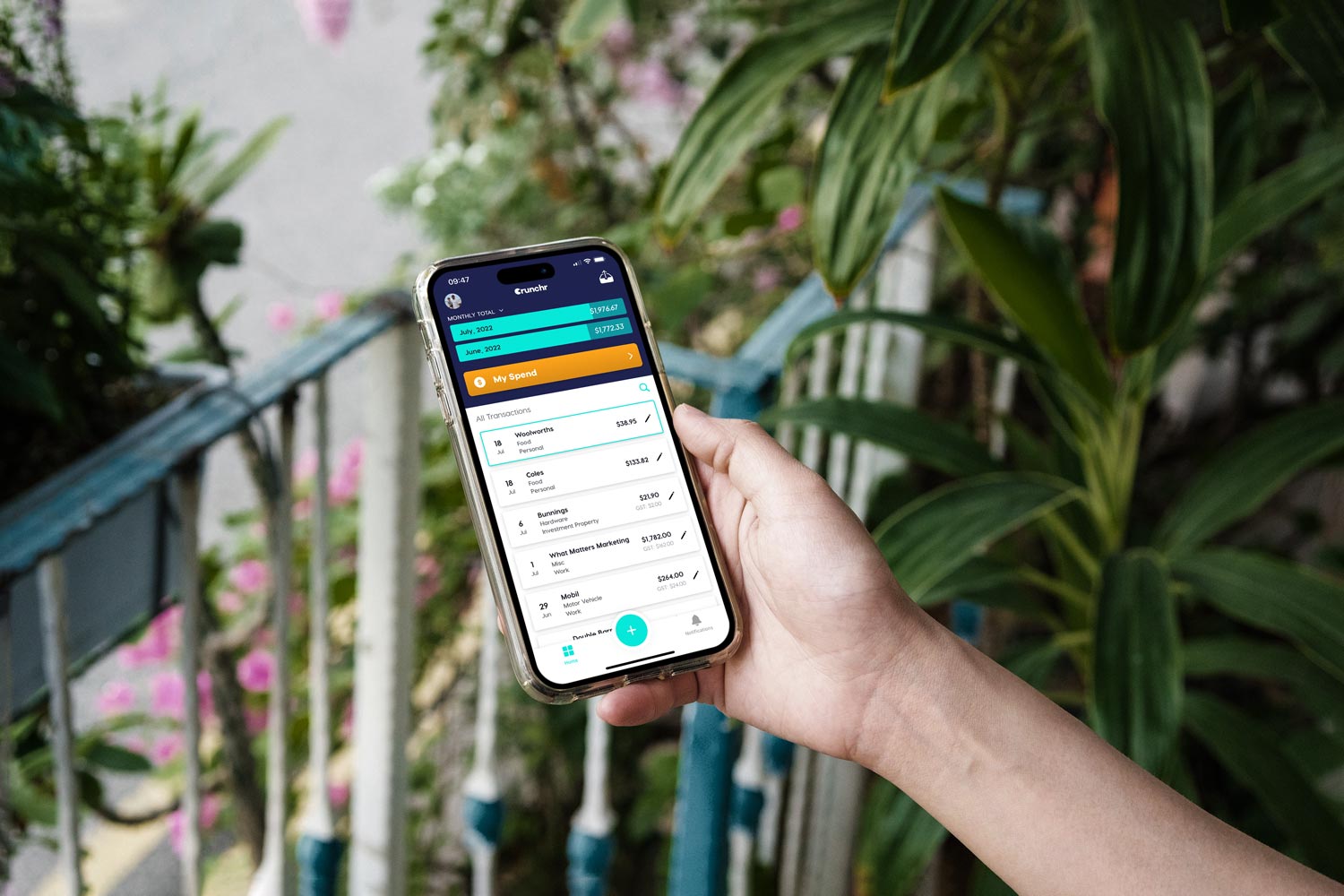
Track your spending
Managing money feels easy… until life happens. Most people think they know what they spend — but they don’t. Without a clear picture of income, bills, and daily costs, budgeting is nearly impossible. A simple budget app makes it obvious where your money goes.
Many people try to budget using memory, spreadsheets, or envelopes of cash. But studies show nearly 60% of Australians don’t track their spending regularly. The result? Overspending, missed bills, and stress that could’ve been avoided with the right tool.
A simple budget app isn’t just another app. It’s like a personal finance assistant. It shows you what’s happening with your money in real time. When you know exactly what’s coming in and going out, you can make better decisions.
The Problem With “Guessing” Your Spending
A big mistake is assuming you know your spending. Maybe you think, “I only spend $50 a week on coffee.” But without tracking, that number is probably wrong. When you don’t know your spending, a budget is useless.
For small businesses, the stakes are higher. The Australian Taxation Office reports nearly 30% of small business owners miss deductions every year because their records aren’t accurate. They think they’re on top of expenses, but money slips through the cracks.
A simple budget app changes that. It records every transaction, sorts it automatically, and makes your finances visible. For individuals, this means fewer surprises. For businesses, it can mean the difference between profit and missed opportunities.
How a Simple Budget App Shows the Truth
A good app gives immediate insight into your spending habits. Here’s how:
- Real-Time Tracking – Every purchase is logged automatically. No more keeping receipts or guessing later.
- Categorisation – Expenses are sorted into groups like groceries, entertainment, transport, or bills. You can spot overspending fast.
- Visual Reports – Charts and graphs show trends clearly. Seeing it visually hits harder than a spreadsheet.
- Alerts – Some apps warn you when you’re close to a limit, helping you stay in control.
Think about daily lunch orders adding up to $150 a month. Over a year, that’s $1,800 — money you could save or invest. A simple budget app makes this obvious instantly.
Real-Life Examples
Personal Spending
Melbourne teacher Samantha, 28, thought she managed money well. But small daily habits — coffee, snacks, subscriptions — were quietly costing $400 a month. After tracking with a budget app, she cut back and saved over $4,500 in a year.
Small Business
Ben runs a landscaping business in Brisbane. Receipts used to sit in a shoebox, and deductions were often forgotten. With the app, he can monitor staff, fuel, and equipment instantly, turning guesses into informed decisions.
Why Manual Budgeting Often Fails
Manual budgeting — spreadsheets, envelopes, pen and paper — can work, but it’s easy to make mistakes. Human memory fails, and life is busy.
Research shows 72% of people who try manual budgeting fail within three months. Forgetting to log transactions or underestimating small purchases is normal.
A budget app removes mistakes. The app automatically sorts expenses, calculates totals, and keeps a record. No more guessing last week’s spending or hunting through receipts.
Building Good Habits
- Budgeting isn’t just software — it’s behaviour. A simple budget app encourages:
- Consistency – Logging daily or weekly shows spending patterns.
- Reflection – Visual trends help you cut takeaways or cancel unused subscriptions.
Business Benefits
For business owners, a budget app isn’t optional — it’s essential:
- Cash Flow Awareness – Know exactly what comes in and goes out. Avoid overdrafts.
- Expense Insights – Spot unnecessary spending.
- Tax Prep – Keep receipts organised digitally; many apps integrate with tax software.
- Team Management – Track staff expenses and reimbursements.
A small business can spend $2,000–$3,000 a year managing paperwork. Switching to a budget app saves hours weekly — time for growth, clients, or personal life.
Choosing the Right App
Look for:
- Easy to Use – Complicated apps get ignored.
- Automatic Tracking – Connects to your bank and cards.
- Custom Categories – Match spending to your life or business.
- Reports & Exports – Makes tax time easier.
- Security – Protects sensitive financial info.
- Start simple, then expand as needed.
- Overcoming Challenges
Even with an app, some struggle:
- Cash Logging – Take a photo or enter manually.
- Small Purchases – Track everything. Snack runs add up.
- Feeling Overwhelmed – Start with one account or category, then grow.
The Psychological Edge
Tracking spending helps mentally. Tracking money helps people feel in control, less stressed, and more confident with finances. For businesses, clear visibility reduces stress for both owners and staff. Everyone knows what’s spent and available, reducing disputes.
Getting Started
- Download a simple budget app.
- Snap receipts or log cash transactions.
- Each week check to see patterns and make adjustments.
- Set savings or spending goals.
Start small. Focus on small daily habits. In weeks, you’ll see exactly where your money goes.
You can’t manage what you don’t track. Guessing brings stress and wasted money.