
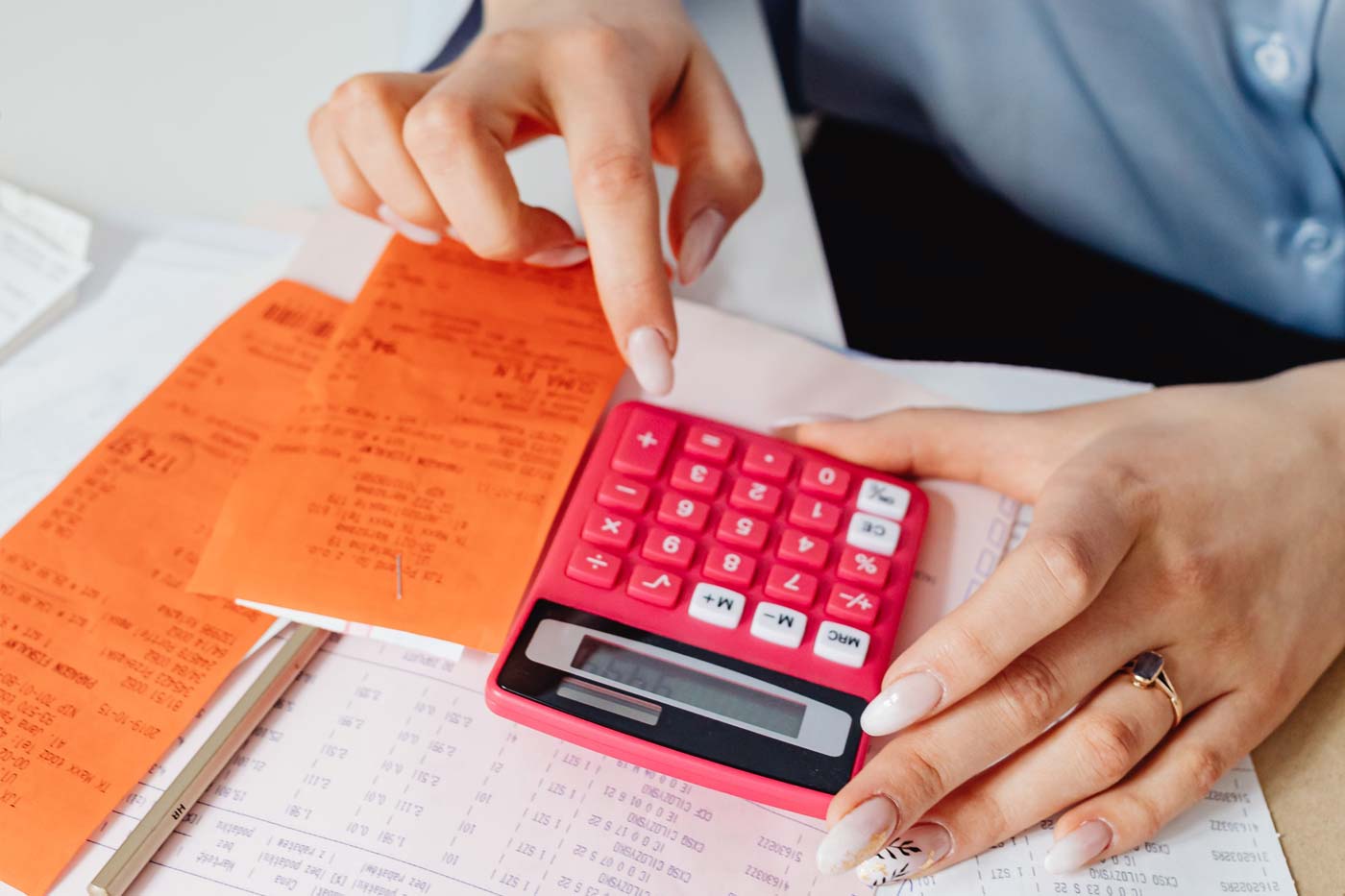
Expense Tracker App Australia. A Simple Way to Stop Losing Receipts
Expense Tracker App Australia. Most people don’t wake up thinking, “Today I’m going to organise my expenses.”
They buy fuel. They duck into Officeworks. They grab something from Bunnings. They pay for parking. They subscribe to another piece of software because the free trial ended and they forgot about it. A receipt appears for a few seconds, then it disappears into a pocket, a console, an email inbox or a photo roll full of screenshots.
Nothing dramatic happens.
Until tax time.
Then every small purchase starts asking questions. What was that $84 from Amazon? Was that lunch personal or a client meeting? Did the Bunnings trip include work supplies or just stuff for home? Where is the receipt for the software subscription? Why is there a photo of a receipt from March but no idea what it was for?
This is the annoying part of money admin. Not the big numbers. The little ones.
Crunchr is an expense tracker app for Australians who want a simpler way to keep receipts, organise spending and stay more prepared for tax time. It is not trying to turn you into an accountant. It is trying to stop the everyday mess from becoming a bigger problem later.
And honestly, that is what most people need.
Not another dashboard.
A place to put the receipt before it vanishes.
Why expense tracking falls apart
The strange thing about expense tracking is that it feels easy when there are only three expenses.
Then there are thirty.
Then there are three hundred.
A sole trader might have fuel, tools, materials, subscriptions, phone costs, training, parking and client expenses. A freelancer might have software, equipment, courses, travel and coffees that were definitely meetings at the time, but become hard to explain six months later. A property investor might have repairs, cleaning, strata, gardening, smoke alarm checks and random trips to the hardware store.
None of these are hard on their own.
The problem is the pile.
People don’t lose track because they are hopeless with money. They lose track because the record-keeping happens after the real work is done, and by then no one feels like doing it.
That is why a receipt app can be useful. It moves the job closer to the moment. Buy something, scan it, add a quick note if needed, and move on.
Not perfect. Just better.
Paper receipts are not a system
Paper receipts make you feel organised for about ten minutes.
You put one in your wallet. Another in the car. Another on the kitchen bench. One goes into a folder. A few stay in your email. Some are in Apple Wallet. Some are screenshots. Some are probably gone forever.
That is not a system.
That is a treasure hunt.
The other problem is that paper receipts fade. Thermal receipts can become almost unreadable, especially when they sit in a hot car or get handled a few times. By the time you need the receipt, the part you need most may be gone.
Crunchr helps by giving you a digital place to keep the record while it is still fresh.
Take the photo.
Save it.
Done.
It sounds too simple, but simple is the point.
A bank statement only tells half the story
A bank statement can show that money left your account.
It does not always show why.
Officeworks could be printer paper for work, school supplies, a charger, a notebook, or all of those in the same transaction. Bunnings could be business materials or something for the backyard. Amazon could be anything. A cafe could be a client meeting, travel food or just a coffee you wanted.
The transaction is not the explanation.
The receipt gives the detail. A quick note gives the context.
That is where Crunchr becomes useful. It helps you keep the proof and the reason together, before your memory has to do all the heavy lifting.
Who it helps
Crunchr suits people who have expenses that matter later.
That could be a sole trader keeping business receipts together. It could be a contractor who buys materials on the run. It could be an employee who claims work-related costs. It could be a property investor trying to separate expenses for different properties. It could be a small business owner who is tired of handing their accountant a messy folder at the end of the quarter.
Different people, same problem.
Receipts everywhere.
For sole traders, the value is obvious. You are often doing the work and the admin. There is no accounts department quietly fixing things in the background. If you lose the receipt, you lose the trail.
For freelancers, the spending can be scattered. A subscription here. A course there. New equipment. A meeting. Travel. Hosting. Software. Some expenses repeat. Some happen once and are easy to forget.
For property investors, receipts often come from the least organised places: trades, hardware stores, cleaning, maintenance, agent fees, garden supplies, repairs. It can all make sense in the moment and then become a blur later.
Crunchr gives all of these people somewhere to put the record before it gets lost.
Why simple matters
A lot of finance apps try to do too much.
They start as an expense tool and somehow become a full accounting system, budgeting platform, dashboard, reporting suite and financial life coach.
That might suit some people.
Most people just want to know where the receipt is.
This is why Crunchr focuses on the practical part. Capture the receipt. Keep it organised. Make it easier to find later. Help prepare cleaner records when tax time or accountant time comes around.
A simple tool used every week is better than an impressive one you stop opening after three days.
Crunchr vs spreadsheets
Spreadsheets are useful. They are not the problem.
The problem is that spreadsheets usually rely on you doing the work later.
You still have to find the receipt. You still have to remember what the purchase was for. You still have to type the details. You still have to store the image somewhere. And you still have to keep doing that long enough for the spreadsheet to stay useful.
That is where people fall off.
Crunchr can sit before the spreadsheet. It captures the receipt first, while the purchase is still fresh. If you need to export or report later, you are starting from a much cleaner place.
The receipt comes first.
The admin comes later.
That order makes more sense.
Crunchr vs the shoebox
The old shoebox method works until someone has to open the shoebox.
Then it becomes punishment.
You have a stack of receipts, some folded, some faded, some with no context. You sort them into piles, try to match them to bank transactions, and slowly remember why you avoided the job in the first place.
Digital records are not magic, but they are much easier to search.
And searchable beats “somewhere in a pile”.
Every time.
Tax time should not start at tax time
This is the big mistake.
People wait until tax time to start organising tax records. By then, the year has already happened. The receipts are already scattered. The details are already fuzzy. The easy moment to capture the expense has passed.
Crunchr helps turn tax preparation into a small habit during the year.
Not a giant clean-up at the end.
You scan the receipt when it happens. Maybe add a note. Maybe categorise it. Then when the time comes, you are not starting with nothing.
You are starting with a trail.
That alone can take a lot of pressure out of the process.
Expense Tracker App Australia – Real examples
Buy fuel on the way to a job. Scan it.
Pick up supplies from Bunnings. Scan it before it ends up in the car door.
Pay for parking at a client meeting. Add a note so you remember who it was for.
Order software online. Save the invoice.
Buy a work-related course. Keep the receipt.
Grab something from Officeworks. Record what it was for while you still know.
Pay for repairs at a rental property. Attach the receipt to the right property or category.
These are small things. Boring things, really.
But boring things become expensive when they are missing.
What makes a good expense tracker app in Australia?
For Australians, a good expense tracker app should make everyday record-keeping easier. It should help with receipts, expense categories, notes, storage and finding things later.
It should also fit real life.
People are not always sitting at a desk. They are in cars, shops, worksites, meetings, airports, cafes, home offices and hardware stores. The app has to be quick enough to use in those moments or it will not get used.
Crunchr is built around that reality.
Capture first.
Sort later if needed.
Find it when it matters.
The accountant conversation
Crunchr does not replace an accountant or tax agent.
It makes the conversation easier.
Instead of trying to explain mystery transactions from memory, you can have receipts and notes ready. Instead of handing over a messy bundle of photos, you can keep things more organised during the year.
Your accountant can tell you what is claimable.
Crunchr helps you keep the record that supports the conversation.
That is a useful difference.
Start with one receipt
The easiest way to begin is not to fix the whole past year.
That is how people get overwhelmed.
Start with the next receipt.
Scan it. Save it. Add a note if it needs one. Then do the next one.
Expense tracking becomes easier when it stops being a once-a-year project and becomes a small habit. It does not need to be perfect. It just needs to be good enough that you are not starting from scratch every time – Expense Tracker App Australia.
The bottom line
If you are looking for an expense tracker app Australia can use for receipts, spending records and tax preparation, Crunchr keeps the job simple.
It helps you move away from faded receipts, messy spreadsheets, random screenshots and last-minute searches through bank statements.
For sole traders, freelancers, contractors, small business owners, employees and property investors, that can make a real difference.
Not because expense tracking is exciting.
It isn’t.
But losing receipts is annoying, and Crunchr helps stop that from happening.